Where Craft Meets the Contemporary
Reflections on materiality, tradition, and what Milan Design Week 2026 revealed about the future of sustainable design.
APR 2026
5 MIN READ

Milan Design Week is more than an exhibition circuit. For a company like Pelagic.Earth that is built on the conviction that materials matter and that material shapes meaning, it is a pilgrimage. Italy remains the crucible of thoughtful, high-value design, a culture that has long understood that materiality is not incidental to design, but its very foundation. That is a principle central to everything we do at Pelagic.Earth.
Critics of the event argue that it has drifted toward performance, a stage for brand PR and social media moments rather than genuine design discourse. We disagree. At its best, Milan Design Week remains one of the few platforms where the world's most considered makers, thinkers, and institutions can and do cross-pollinate. The friction between commercial ambition and design rigour, played out across hundreds of installations in a single city in the span of one week, is the reason why the event continues to generate ideas and relationships with potential to reshape the industry.
Presenting at Milan in 2025 was, for Pelagic, a rite of passage. It was an opportunity to translate internal R&D and material innovation into a public statement, placing our work alongside the best in the world and allowing it to be judged accordingly. We did not go to Milan to occupy a niche, we went to claim a position; that circular, ocean-recovered materials belong not at the margins of design, but at its core.
“We don't want to be the most sustainable out of a sustainable bunch. We want to prove that circular materials have a rightful place in the pure, commercial sphere of high design.” Philippa Abbott, Founder of Pelagic.Earth
This year we returned to Milan Design Week differently, not as exhibitors, but as observers with a specific purpose. We came looking for the latest in sustainable material innovation, with a particular interest in materials made from ocean and hard-to-recycle plastics.
We searched widely and with genuine curiosity. What we found, or rather what we did not find, told its own story; truly differentiated sustainable materials at the level of high design remain extraordinarily rare. This made it clear that the gap we are working to close at Pelagic is real and significant. As a design-led company manufacturing building materials out of the hardest to recycle, most degraded plastic, there is not just space, but a need for what we do.
Please note: there were some incredible installations featuring sustainability in novel and brilliant ways such as The Paper Log by Issey Miyake and When Apricots Blossom by the Uzbekistan Art and Culture Foundation.
Outside of material innovation, what we did find was a quiet, powerful movement reshaping the relationship between contemporary design and traditional craft. Across the most considered installations of the week, a recurring theme emerged; major design houses elevating traditional craft through bold experimental collaborations. Not as nostalgia, not as affectation, but as honest design strategy and an acknowledgment that centuries-old techniques carry a depth of knowledge and humanity that no algorithm or industrial process can replicate. Two examples of this were presented by Dior and Rubelli respectively.
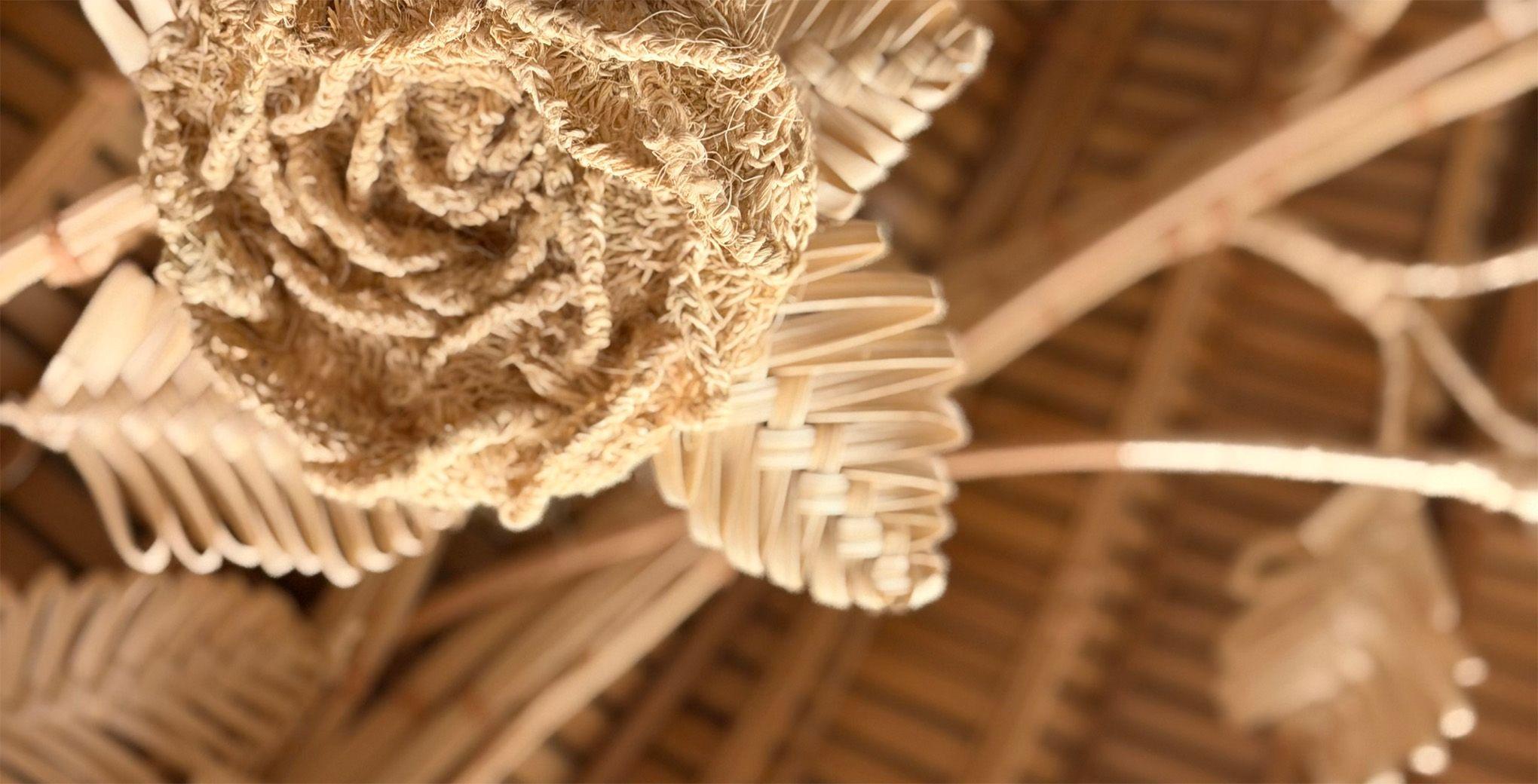
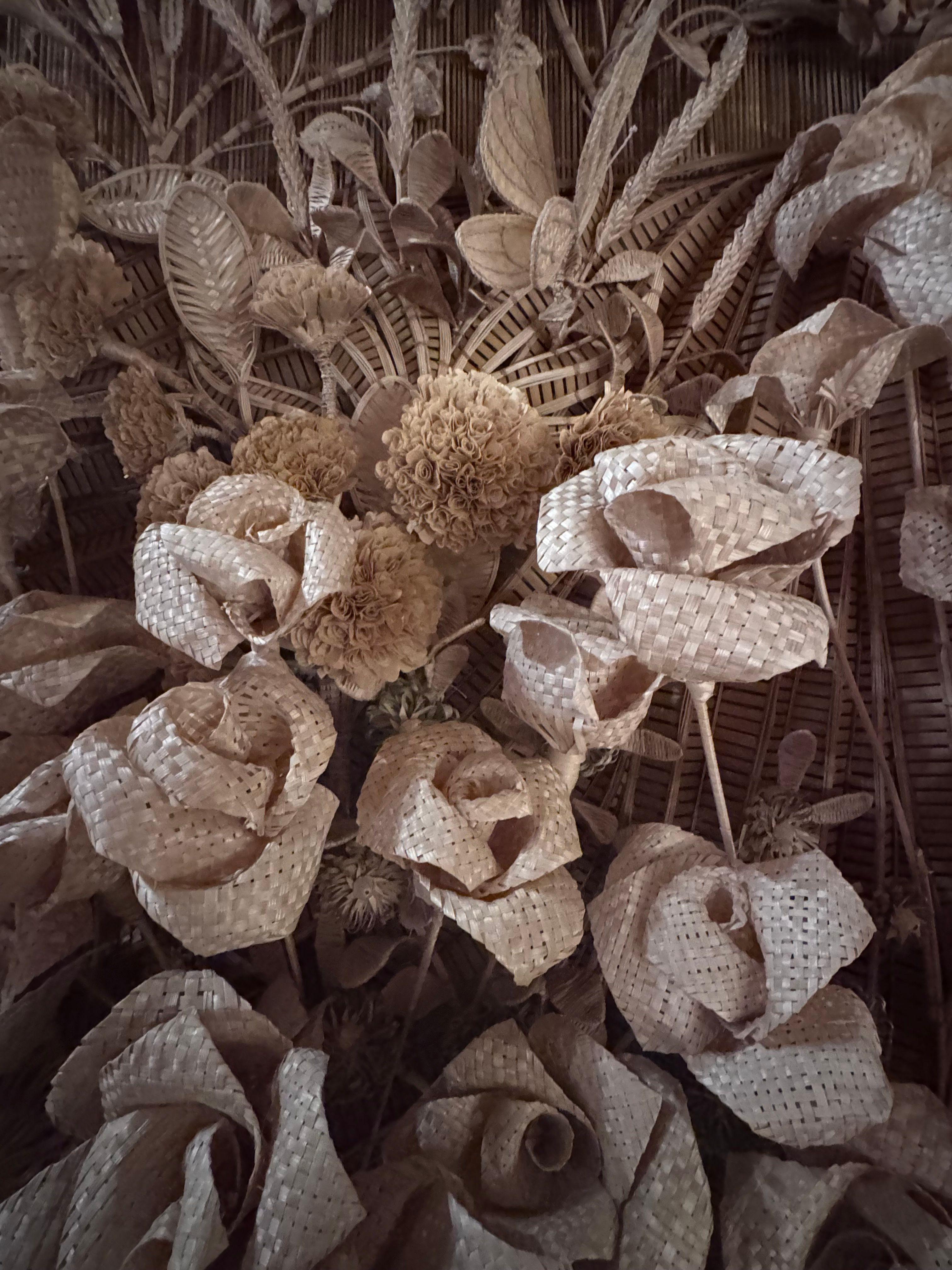
Dior: 27 Lights Noé Duchaufour-Lawrance with Krakow Aromondee & Asana Saima Twenty-seven hand-blown Murano glass lights, each a product of centuries of Venetian glassmaking tradition, set within a whimsical rattan and bamboo garden scape. Impeccable in its detail. A masterclass in restraint and reverence and a statement that Dior's relationship with traditional craft communities is not decorative, but foundational to the brand itself.
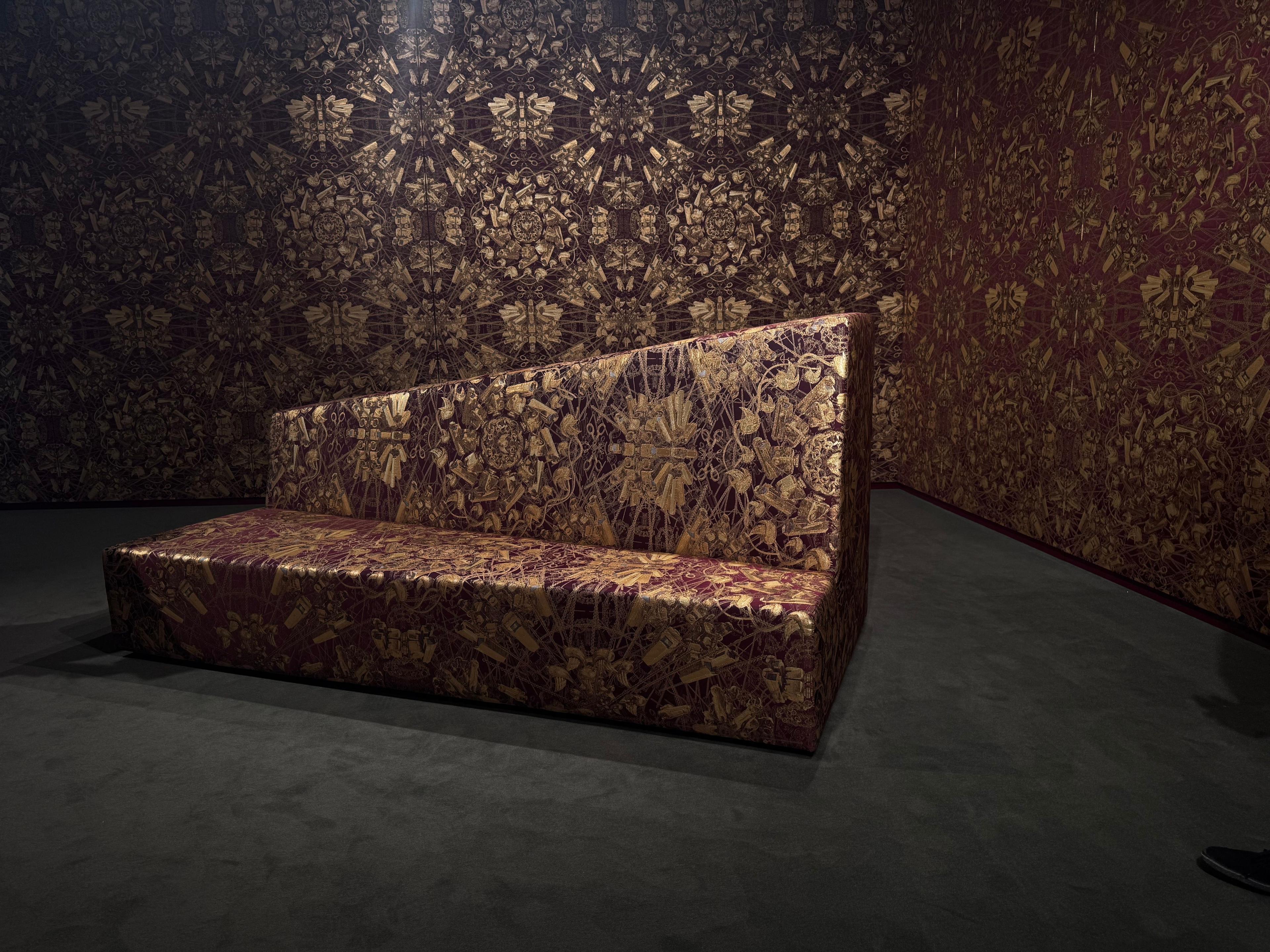
Rubelli: About Silk Ai Weiwei in collaboration with Rubelli A master artist given full latitude to work with age-old tapestry techniques, forms deeply resonant with his own history and practice. The result was work that felt simultaneously ancient and urgent. Like Dior's installation, it argued without apology that traditional materials and methods are not relics to be preserved behind glass, but living tools with contemporary power.
Both works made the same argument in different registers; there is a significant and growing place for traditional materials, craft knowledge, and inherited technique in contemporary design practice. Not as a retreat from modernity but as a counterweight to it, a source of depth, authenticity, and meaning that purely technological or industrial approaches cannot provide.
For Pelagic, this is not an abstract observation. It connects directly to our own material philosophy. Ocean-recovered plastic is not a perfect material, it carries history, imperfection, and the marks of its journey. We believe those qualities are not defects to be engineered away, but properties that give the material its character, its strength and its story. The installations we admired most in Milan presented these very same ideas.
The lesson we will carry forward from Milan Design Week 2026 is that the future of design will not belong to those who make the most sustainable product out of a sustainable field. Rather, it will belong to those who make material culture richer, stronger, and more honest, regardless of what the material began as.